The post Be Selfless to be Selfish appeared first on .
]]>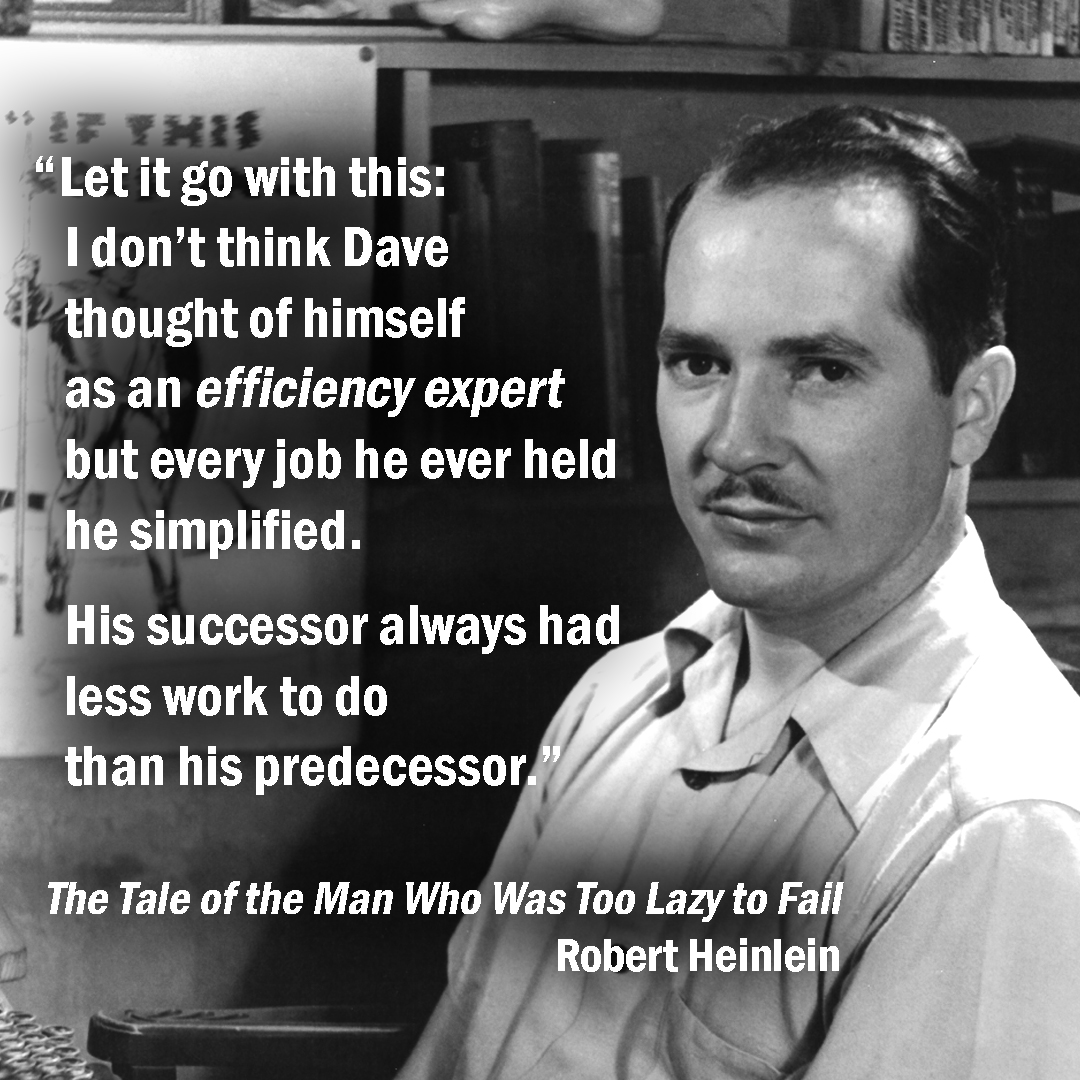
Excerpt from The Man Who Was Too Lazy to Fail
If I didn’t prepare documents for my clients so they’re easy to understand, I would have to take the time to explain later.
If I let my business partner work hard to establish relationships with clients, if our partnership ends, guess who those clients will turn to?
If I micromanage my employees, they’ll become lazy or simply walk out the door, and I’d have to work more to find new workers.
If I didn’t treat my parents with respect, how should I expect them to treat me when they’re planning their living wills?
If I fed my cat cheap food and didn’t scoop her litter daily, guess what would happen to my house?
There is a shortsighted tendency to isolate the meaning of “customer” only to those who would pay us for services. But it doesn’t stop at money.
If you want something from someone, whether it’s money, consideration, an exchange/barter, or simply their best effort working FOR YOU, you have to put in the effort to help make their lives easier.
“People think I’m selfless when actually it’s the opposite. I am selfish in wanting to surround myself in happiness, and so I do my best to make everyone around me happy.” -Tenzin Gyatso, 14th Dalai Lama
The post Be Selfless to be Selfish appeared first on .
]]>The post How Are You A Great Detective During Client Meetings? appeared first on .
]]>
My story:
After more than two decades of countless client meetings, I often don’t stick to the same checklist of questions that I used to.
Totally true–one of the latest questions I asked my client was “Why do you keep a semi-automatic pistol in your office?”
His answer revealed more to me about how much his business means to him than the majority of questions I had asked, and from that point on I knew HOW to frame my interviews with that specific company, that specific owner.
I listen a lot more now, use more analogies, get to know the PERSON who’s in charge, not just the company’s products.
BUT at the same time, I also ask better questions regarding the company’s products, including their inventory, shipments, sales tracking and profit margins–whatever the client is willing to reveal to me without my going over the line. As I get older, I’m learning how to push that line further and further to get more information that will ultimately benefit my client.
I look at EVERYTHING in the room, whether we’re meeting in a small office or a large warehouse.
I watch the boss’ interaction with the workers.
I check out their technology–are they on the latest Macs or on old Windows 95 computers? Is the person in charge adept at gadgets or would he rather use pen and paper? Should I design the website so it will also look great on the client’s SVGA monitor, as well as on 1920 x 1200 monitors?
What’s the story behind their company’s name?
The post How Are You A Great Detective During Client Meetings? appeared first on .
]]>The post Sports and the SWOT Analysis appeared first on .
]]>
I’m currently watching the Golden State Warriors play at Houston against the Rockets.
Whenever a basketball team I’m following is behind around halfway through the game, I look at the score, but I look at something else. WHO IS IN FOUL TROUBLE.
Why?
Because the ability of a team to have all its players on the court toward THE END of the game is more important than the beginning, because the final score is all that matters.
If the Warriors are behind by 10 points in the third quarter but NONE of their star players are in foul trouble (2 or less fouls each), then they can be AGGRESSIVE and TAKE CHANCES with both their offense and defense, because they have at least 3 more fouls to give.
But if their star players have 3 or even 4 fouls, then their actions are hampered, crippled even.
SWOT stands for Strengths, Weaknesses, Opportunities and Threats. In terms of the Warriors, their Strengths would be their defense, shooting and strategy. Their weaknesses would include shooting slumps, and more importantly, their fiery power forward Draymond Green’s foul trouble, since he’s instrumental in their winning another championship.
If Green has less than 3 fouls in the third quarter AND is playing steady, then the Warriors will probably win. Period.
Sometimes the game isn’t as much in the current score, but in the ability to stay in the game until the end.
The post Sports and the SWOT Analysis appeared first on .
]]>The post A Constant Gardener appeared first on .
]]>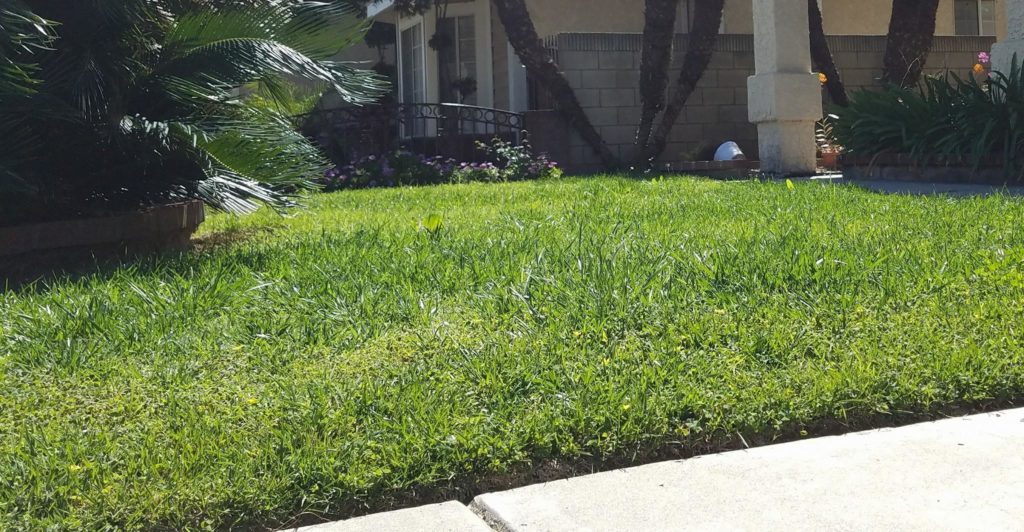
This is a picture of our lawn after not being mowed and edged for a little over a week, because the gardener couldn’t come over on Wednesday because it rained. I saw the lawn when I bent over to pick up the community newspaper, and noticed how quickly the grass had grown and become unruly.
If I hadn’t seen it at that moment and instead looked at it next Thursday, I would have assumed that the lawn had never changed, simply because I wasn’t paying attention.
It’s the same for a business. Things that we take for granted as being automatic still need attention, especially during rare moments, like rain in Los Angeles. Tasks that we begin, we don’t continue, in lieu of other, “more important” tasks.
We tend to start blogs and after a few weeks or months, simply stop writing them anymore. We forget to update our portfolio after a project finishes. We develop momentum with Facebook and LinkedIn, but forget that we also have to continue to create content for Instagram, Twitter, Behance and Alignable.
Having said all that, I’m going to offer some quick tips and shortcuts on how you can keep your content fresh, sort of like taking 10 minutes to run the weed wacker on your lawn or pruning some stray branches.
- Create a 1080 x 1080 pixel square in Photoshop and fill that square with an image from your latest project, then save it as a jpg file. If you don’t have Photoshop, take a picture of your latest project, then square it up on your phone. Then post that picture to your accounts on Instagram, Facebook, Behance, LinkedIn, and so on.
- When you finish a project and if your client is on LinkedIn, ask them to write a quick recommendation for you. If you have a Yelp page, same thing. It’s amazing how many people (including me) should have a lot more testimonials on their website and social accounts if we only remembered to do this.
- If your client doesn’t have time to write but can say nice things about you on the phone, write it down and then ask your client permission for you to post it as a quick testimonial on your website, either as a pull quote or added to your testimonials page.
- Do a Facebook live session talking about your newly-completed project, then save that as a video file, upload it to YouTube, and embed the YouTube video on your own website, as well as all your social network accounts.
- If you have a WordPress site, install social feed plugins on your site. Whenever you update one of your social media accounts, your website gets updated also. https://wordpress.org/plugins/tags/social-media-feed/
- Instead of rewriting your bio on different social media accounts, create a MASTER BIOGRAPHY FILE of yourself, and write everything you can think of to describe yourself. From that master file, you can now copy and paste snippets to fill your bio descriptions on your different social accounts, deleting copy to fit within the character limitations of each account.
- While you’re at it, compile different photos of yourself, your company’s logo and banner, and keep all of them in one, quickly accessible folder in your computer.
Since I got serious about tending to my social media accounts, I’ve actually created a SOCIAL NETWORK folder, and within it folders for Facebook, LinkedIn, Instagram, etc., and a folder for miscellaneous memes that I may want to sprinkle in just for fun.
Most of these tasks don’t take that much time, and you’ll be able to repurpose the content multiple times. The trick is to have some kind of plan, have a little bit of time for seeding, a little bit of time for pruning, and a proper tool belt for your gardening gear.
The post A Constant Gardener appeared first on .
]]>The post Falling Off the Humble Wagon appeared first on .
]]>
One of my colleagues had a saying, “Finish it first, and then tell everyone else about it.”
It goes against everything that my ego wants me to do, but in the long run it helps to avoid embarrassment.
I use the same philosophy when I hear wonderful news about a project that I’m about to work on.
When that happens I shut up, cautiously, optimistically.
I do the work.
I wait for the client’s approval.
I wait for the client’s check.
I cash the check.
I breathe a sigh of relief.
Then I talk about it, after the fact.
All bases covered, no need to backtrack on anything.
I still fall off the humble wagon sometimes, like when I hastily posted a wireframe diagram in Instagram of a project that never got completed (client flaked), and I have since removed it.
I still fall off the humble wagon. But at least I know the wagon is there.
#humility #ego #getpaid #cautiousoptimism #quiet
The post Falling Off the Humble Wagon appeared first on .
]]>The post You Are Not Your Day Planner appeared first on .
]]>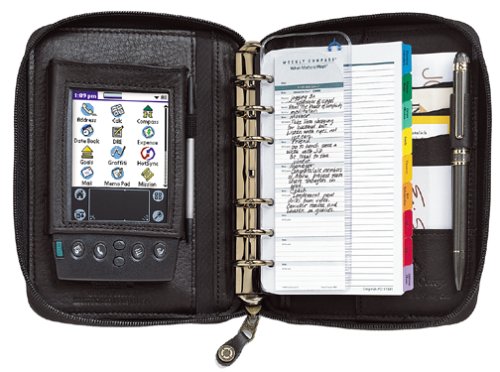
Twenty years ago, I thought that the THINGS that I owned were absolutely necessary for me to do my work. My Palm 7 device, Franklin Planner, Plantronics headset, and the latest “pro” version of every software that money could buy.
I didn’t even use 95% of what I owned–they just looked good sitting on the shelf or tabletop.
Since then, I’ve deconstructed my approach to work and the gadgets I use. Do these things make me unique compared to the competition? Do these things increase my actual value to my clients? Do these things help me solve problems?
By distilling the THINGS that I use down to the fewest items, or getting rid of them altogether except for a pen and pad of paper, I am forced to distill each problem into its essence, and find a simple solution that can be understood by written words or sketched diagrams, without the distraction of things.
I don’t need a gadget to get me to that AHA! moment.
I am not my mobile device.
I am not my Adobe Creative Suite.
I am not my Day Planner.
#office #business #gadgets #franklinplanner #dailyplanner #dayplanner #skills
The post You Are Not Your Day Planner appeared first on .
]]>The post How I Podcast: an Unscripted, Freestyle Podcast About Podcasting appeared first on .
]]>One of the business groups I’m in asked me to talk about how to podcast, including basic equipment and what to talk about. I sat down and just riffed for about an hour, everything’s unscripted and straight from my mind.
Resource links:
Audacity (looks like it’s for both Mac and Windows): https://www.audacityteam.org/
LAME mp3 encoder for Windows: https://manual.audacityteam.org/…/installing_and_updating_a…
for Mac:
https://manual.audacityteam.org/…/installing_and_updating_a…
Lyx Pro microphone ($27!):
https://www.amazon.com/LyxPro-Cardioid-Microp…/…/ref=sr_1_1…
Studio arm for mic:
https://www.amazon.com/iksee-Microphone-…/…/ref=sr_1_1_sspa…
Sean Cannell How to Get Free Stuff through your YouTube videos:
https://www.youtube.com/watch?v=aD7woG2h3a0
John Campea podcast:
https://www.youtube.com/channel/UCYyDbdaja1UDNdFSwUrYVGA
Suicide Squad Drinking Game:
https://youtu.be/gx6KkupsHFs
Adobe Premiere Elements on Amazon:
https://www.amazon.com/Adobe-65281782-Premiere…/…/B0755K3HQV
Steve Jobs story on saving time/lives:
https://www.folklore.org/StoryView.py?story=Saving_Lives.txt
Making Biscuits Cat Rescue:
https://greatnonprofits.org/org/making-biscuits-cat-rescue
The Daily Knight podcast website:
http://www.thedailyknight.net/
The post How I Podcast: an Unscripted, Freestyle Podcast About Podcasting appeared first on .
]]>The post LOCK AND LOAD: What to Bring FOR YOURSELF to a Business Meeting, Guy Version appeared first on .
]]>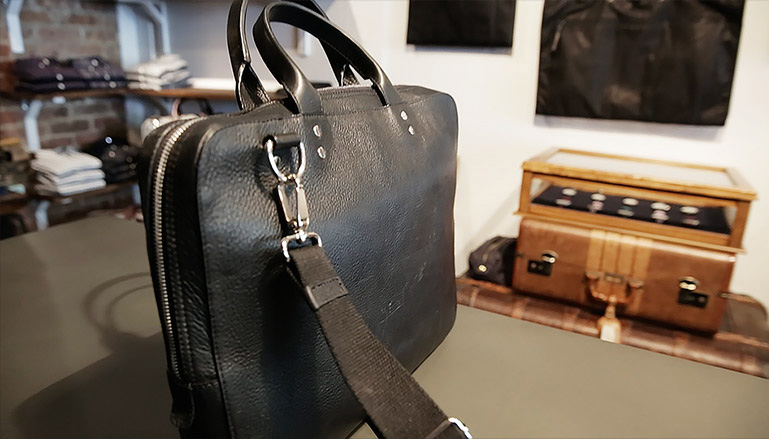
In addition to what you’re SUPPOSED to bring to a business meeting, here are some things that I carry just in case.
BREATH MINTS AND SUGAR-FREE GUM. Why both? The breath mints are right before the meeting begins. And if you wind up eating during the meeting, the gum is like a kneading eraser for an art student–it’ll help clean your teeth, make your breath smell decent, and get tiny food pieces that may waywardly fly from your mouth and toward the client during a heated discussion. Excuse yourself after the meal and use the gum in the restroom so they don’t see you chewing it.
HANDKERCHIEF. If you’re wearing a suit, just stick it in your breast pocket without showing too much of it so you don’t look pretentious. Use an all-cotton hanky so you can actually use it in case you get the sniffles or dry yourself in case you start to sweat.
* When I was just starting out over 20 years ago, I’d get sweaty palms before meeting the client. I always hid a hanky in my right trouser pocket so I could dry my right hand before the first handshake. If you spritz some very very lightly scented pillow mist on the hanky, your hand will smell clean and dry.
EXTRA PEN. Bonus: when I really wanted to impress a high-value client, I would bring a couple nice pens with me. My favorite are the clicker LAMY ballpoint pens, about $30 each. I would bring two different styles, and use one during the meeting. If the client compliments me on my pen (and if the meeting is going so well that I think I would probably get the five-figure project), I give the client the other pen as a little gift. It gives me yet another reason to keep in touch with the client, and if they continue to give me projects, I would periodically bring ink refill cartridges to give to the client so they wouldn’t have to worry about it.
EXTRA PAPER. Yes, you have your presentation printed papers in hand, but do you have blank sheets to write on? Do you have LARGE blank sheets to draw on, just in case the client wants to do a little creative brainstorming during the meeting?
OVER THE CALF SOCKS. You never know how far you’ll be walking around, and usually if the client takes you on a tour of their offices, it’s a good sign. The last thing you want is to be pulling your socks up because they’re only ankle length and bunch up in your shoes during long walks.
POST IT NOTES. Sometimes you need to add notes to your notes, and sometimes (and this has happened to me) the client will run out of their own post it notes. This is when you come to the rescue and offer yours.
SIMPLE BLACK TIE. Just like women have their little black dress, it’s always good to have an emergency tie tucked away in your messenger bag. It should be silk, clean but not too shiny, and simple black, so it doesn’t matter what clothes you’re wearing. This has also happened to me–I’ll have a “casual” meeting with my contact, and then we hear that the company’s CEO wants to introduce me to everyone in the monthly board meeting in another building, and everyone there is wearing suits. Even if you just have a long sleeve shirt and no jacket, being able to quickly put on that black tie and present yourself that way will give YOU confidence in facing a potentially overwhelming situation.
BUSINESS CARD CASE. Because you don’t want to be showing your ratty old wallet to everyone while you fish for your business card. An alternative would be to get in the habit of having a stack of your cards on your dresser, and put three or four in your breast pocket as you get dressed for the meeting.
A FULLY CHARGED CELLPHONE. You never know when you’ll need to take pictures, so have your cellphone ready. And if you have a lot of personal stuff on your phone, or you don’t want them to see your Darth Vader lockscreen wallpaper, then bring a small point-and-shoot camera, in case the client wants you to take pictures of their facilities and products.
UMBRELLA FOR AT LEAST TWO PEOPLE. If the weather is bad, it’s always good to have an emergency umbrella to take care of you and your client. If you want to go the extra mile, wear a proper hat (YES I SAID IT KIDS, A HAT!) That way you can let your client borrow the umbrella, and you won’t get wet while being damn chivalrous.
10 ONE-DOLLAR BILLS AND YOUR CREDIT CARD. Just in case you have to park at a structure. Just in case you have buy coffee. Just in case, just in case, just in case.
ADVIL, BAND-AID, MOIST TOWELETTE AND TWO BUCKS IN QUARTERS, in a neat little ziploc bag. Trust me on this.
Lastly, I keep a small water bottle in a separate compartment in my meeting bag. The first reason is obvious, for thirst. But the other reason is to remind myself how long I was at the meeting, because usually if the meeting is longer than expected, and I’m talking so much that I need to take frequent sips, there’s a good chance that it’s a success, or better yet that the client introduced me to people in other divisions who wanted to talk about other projects, and I was taking sips in between the meetings.
It seems like a lot to carry and wear, but except for the umbrella, you probably have these things already. It’s just a matter of remembering to bring them with you to every meeting.
#30DS Day 2
This article also appears on LinkedIn at https://www.linkedin.com/pulse/lock-load-what-bring-yourself-business-meeting-guy-gerardo-san-diego/
The post LOCK AND LOAD: What to Bring FOR YOURSELF to a Business Meeting, Guy Version appeared first on .
]]>The post Designing Compassion, Part 2: Legos, Locks and Land Mines appeared first on .
]]>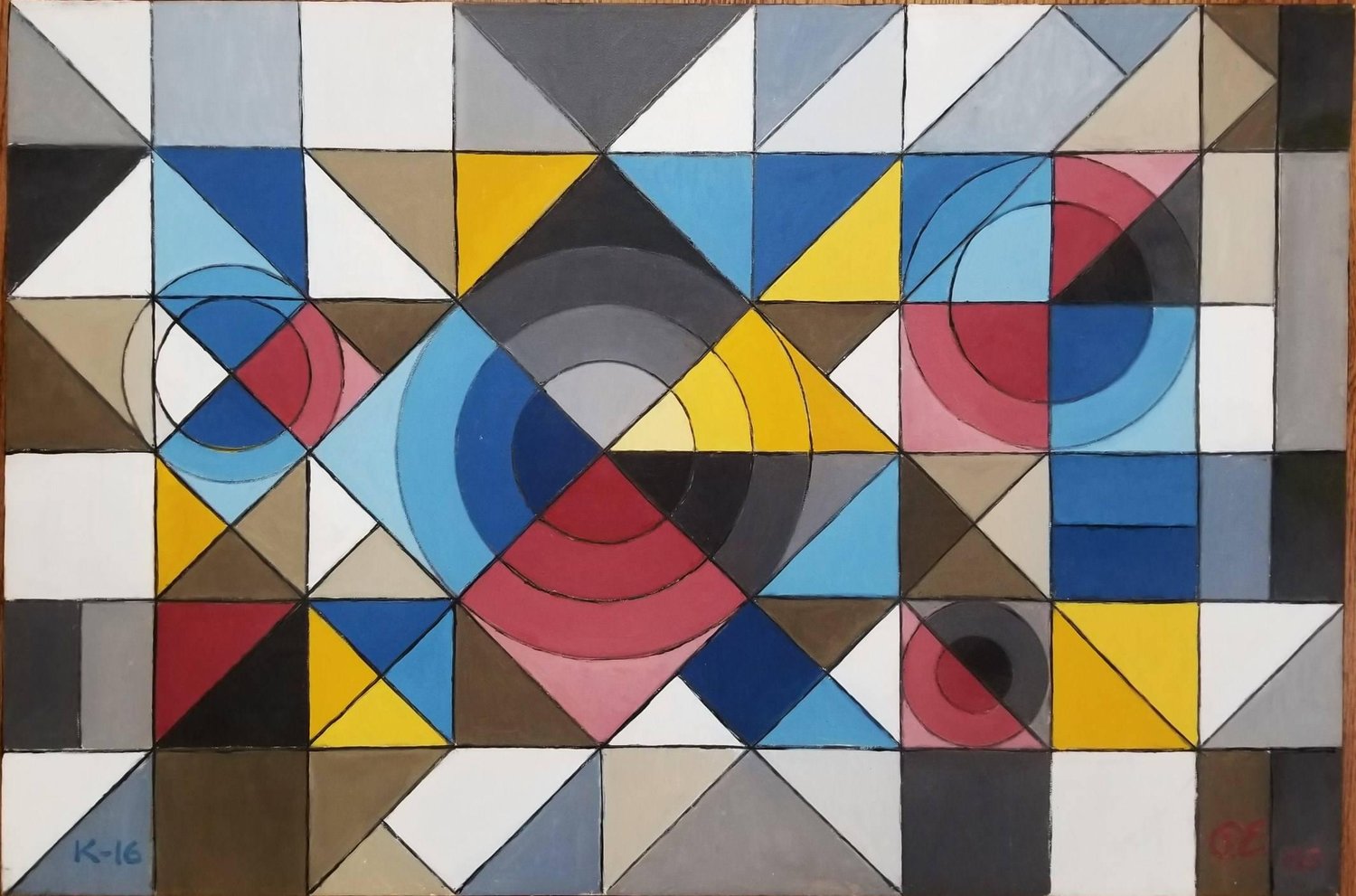 K-16, by Peter Engelmann
Why it’s worth your money to pay a professional to optimize your website, app, or social media’s user interface so it’s easier to use and understand.
(If you get bored by anecdotal introductions, just skip-scroll to the TAKIS AND CHAI TEAS section down below.)
I just finished a text conversation with my business partner regarding the Apple music player, which for some reason won’t allow songs on her playlists to play in sequence, like a jukebox, and instead repeats the same song. Yes, there’s a solution to this, but one shouldn’t have to do any detective work to find the solution for this simple feature.
The main headline font for one of my WordPress sites all of a sudden changed from a sans serif font to a disco-looking typeface, simply because I updated the theme, because WordPress recommended that I do. Of course there’s a hack to fix this, and I did, but I shouldn’t have had to.
My octogenarian mom decided she wants a Facebook page, and so I tried to set her up with one. Because her last name, San Diego, has a space in between, Facebook’s algorithms (I think) decided that it may be a business account trying to disguise itself as a human being, and disabled her account. I don’t remember Facebook doing this back when I set up my account ten years ago. When I have more time and more patience, I’ll try again, and probably experiment with different ways to type her name so that Facebook doesn’t red flag it. Again, I shouldn’t have to. Life shouldn’t be this difficult.
Now, imagine being a business owner who’s basically new to this online thing, but who heard from one of your buddies that you should have a more updated website, even have a shopping cart for your products, and while you’re at it, you should also have social media accounts like Facebook, Instagram and Twitter for your business. And then you see the commercials on TV that make everything look easy, like GoDaddy or Wix or Squarespace. Or even Fedex/Kinkos and the UPS store, because it seems like IT’S EASY TO BE ONLINE! LET’S GET YOU STARTED!
I’ve lost count of how many people I’ve talked to that called those 800 numbers and wound up abandoning their projects a few weeks into it, but continued to pay for a year’s worth of hosting because they had no choice. (Or had their nephew set them up initially, but the nephew goes to college and doesn’t answer his phone calls anymore, because kids these days would rather text than talk to the elders, you know how it is…)
The bottom line is THIS STUFF IS NOT EASY, unless you’re doing it simply for fun, like kids on Snapchat or Instagram. They don’t have to worry about customers like business owners do. They don’t have to worry about losing a sale because they couldn’t login to Facebook to answer a customer question. They don’t have to worry about setting up 2-step verification so it’s safer to access online receipts.
So what do you do?
If you’re one of the smart and/or lucky ones, then you did your proper research (and you’re a little lucky finding the right people to help you.) You Googled “web developers” or “designers”, looked at their portfolios, then checked out their reviews on Yelp, or looked at their work on Behance. You joined moderated Facebook groups, or subreddits, and asked for advice there. You went on LinkedIn, and are now reading this article:)
Oh yeah, why is this article titled “Legos, Locks and Land Mines?” Because some of the problems you’ll run into are like walking barefoot on a Lego block—it’ll hurt for a minute but it’s easily fixable and you’ll be walking again soon enough. Locks, because too many locks (safeguards, verifications, tedious ID checks on contact forms) can hurt your business more than they help, so you have to have a balance. And Land Mines, because you can wind up in a really bad situation, like getting your whole ecommerce site hacked because you’ve installed a nefarious WordPress plugin, and don’t have protocols set up, like a backup website that you can redirect your customers to in case of emergency.
I’m not gonna get into the nitty gritty details but here are some reasons you need help from people that specialize in this stuff. Regarding social media, here’s something to think about:
TAKIS AND CHAI TEAS
Social media experts eat, live, and breathe this stuff. If you’re away from social media or not downloading the latest updates for the two dozen apps on your mobile, then you aren’t as plugged in as that dude (let’s call him Trevor) that just graduated with a computer science degree, who plays video games with one eye and watches the Twitch channel with the other eye, all the while checking out his Twitter and Instagram feeds on his dual-screen Android. While you’re “running your actual business”, Trevor has been swiping through hundreds of trendy memes, knows what the President had for lunch, has subconsciously seen hundreds of pop up ads (and is aware of corporate branding AND what works and what doesn’t), while searching for ways to make his 2010 Craigslist laptop run faster without spending any money. During all of this, Trevor has managed to study WHY he likes doing what he’s doing, has more than 3,000 hardcore followers on his Instagram page and posts something new every time he enters a new zipcode on his commute to work every day.
His female counterpart, let’s call her Cecile, has watched hundreds of how-to videos and has an excellent sense of what gadgets and hardware tools the younger generation (your target demographic) are into, can navigate the Dollar Tree blindfolded, and has set up her own YouTube channel, produces and stars in her own videos, and has managed to get a handful of corporate sponsors while attracting 35,000 subscribers on her DIY channel, The Fixit Chick (I didn’t check to see if someone is already doing it, but if not, you’re welcome, Internet.)
These social influencers have literally spent THOUSANDS of hours absorbing this subculture into their heartbeats. And you think, dear business owner, that you’re gonna buy a book and pay GoDaddy a hundred bucks a year so that you can do what they do?
DIVI UP, PLUG IN, AND GIRD YOUR CHILD THEMES
Truth be told, I have a love-hate relationship with WordPress. I get a couple hours sleep a night, which means I’m nowhere near the best at wrangling it, but I try. Oh WordPress, how do I love-hate thee? Let me count the ways:
- Everybody uses WordPress, so I gotta use WordPress, and you gotta use WordPress, and Oprah’s gotta use WordPress.
- You should update WordPress and its plugins whenever there’s a new version, but doing so may result in your site looking mightily different when you wake up in the morning. Which means you (or that person you pay what you think is too much money) have to babysit it weekly, and even daily, to make sure that child theme is still behaving itself in relation to the parent theme, which just got an update. If this doesn’t scare you, here’s a verbatim result from Google if you search for “updating parent theme”, a legit question from a dear pilgrim:
If I create a child theme, then Activate the child theme, then at a later date an update is released for the parent theme. Do I activate the parent theme, update the parent theme, then activate the child theme?

- You need to know what plugins to use, and how stable each of these plugins is in relation to the theme that you’re going to use it in. Meaning, some plugins play better with certain themes than others.
- Everything is a moving target and nothing is ever set in stone, because plugins and themes and your content are continually being updated. The heart of WordPress ENCOURAGES content creation and growth, and the Internet gets bored easily, so you always have to stay fresh. I know, ouch wallet, but if you convert those expenses into sales, then you still come out on top.
- As of July 24, 2017 there are 14,864 WordPress themes to choose from, each of them with their own idiosyncracies and predilections. Imagine going on a field trip in a really big elementary school bus that holds 14,864 kids. There ya go.
- In terms of options, you can build your site using the basic WordPress control panel, or you can use third-party plugins to make the job easier (where “easier” is a relative term). Divi, Elementor, and Beaver Builder are three of the most popular, and there are people that specialize in those as well.
- Okay, the list is much longer than this, but I’m tired so I’m gonna wrap it up now.
This is the truth:
YOU WILL NEVER RUN OUT OF COOL STUFF TO USE ON YOUR WEBSITE.
YOU WILL NEVER RUN OUT OF COOL STUFF TO POST ON SOCIAL MEDIA.
IF IT’S COOL, YOUR CUSTOMERS WILL BE ATTRACTED TO IT.
Your biggest problem will be trying to keep everything together and working efficiently once you begin. And if you can get somebody else to do the keeping it together for you, then you can just concentrate on your business. Yes, you will still step on Legos from time to time, and during those times you’ll have colorfully-worded conversations with your web developer and social media contractors. But at least you won’t accidentally lock yourself inside your own house, and you won’t have to worry about stepping on a virtual land mine.
*This article also appears on LinkedIn: https://www.linkedin.com/pulse/designing-compassion-part-2-legos-locks-land-mines-gerardo-san-diego/
The post Designing Compassion, Part 2: Legos, Locks and Land Mines appeared first on .
]]>The post Designing Compassion, Part 1: How Are You? appeared first on .
]]> Untitled, Pablo Picasso
Be kind, for everyone is fighting a hard battle.
The lead mechanic for one of my clients died from a heart attack last week. My client owns a manufacturing shop selling refurbished but very expensive machinery, and has a dozen orders that need to be finished before any new money will come in. Two months before, his nephew, head of sales, had a stroke, and is still in the hospital.
Throughout these setbacks, my client has had to do the job of four other people (his admin assistant also took an unexpected leave of absence the week before), working twelve-hour days, at least six days a week, except when his wife forces him to spend a Sunday with her. He exhausted his six-figure emergency savings to keep the company running, to pay his employees, who also have families to feed and bills to pay.
This went on for two excruciating months. And here I was, the consultant, the outsider, trying to get paid. Trying to figure out a way to continue to work for him, but also trying to figure how I’m going to pay my own bills. Because the more work I did, the more likely he will sell his products, but at the same time, I cannot work for free, and he knew that.
Once enough money arrived, he did pay me, and we continue to work together. I did not find a solution to get paid earlier, because when there’s no money, there’s no money. Sometimes there is no solution. Sometimes things just go bad. And the only thing left is patience and compassion.
HOW ARE YOU?
These three words are too often said without a conscious pause soon after saying them, to actually listen to a response. After I shake hands with the client, it’s too easy to go straight to the business of business. But that’s when I look at the client’s eyes, and do my best to read if they would rather take the next few seconds to just stop thinking about work, and talk about themselves, their families, their favorite football team.
I like to schedule meetings right after lunch, especially during follow-up sessions, because I’ve discovered that that’s when clients have the most free time and the best attitude—their bellies are happy from lunch (hopefully), their morning stresses are taken care of (hopefully), and everyone else in the office is either still at lunch, or back from it, also taking that extra half hour for the blood to redirect from their stomachs and back into their too-often stressed out brains. The middle of the day is a good halftime reset, and usually a good time for me to make my pitches.
When they tell me how they are, I listen, and I add to my mental inventory of the things that I know about my client. If they’re unsure what color they would like to use, sometimes the subconscious answer comes through their stories, the car they drive, the clothes they wear, their Facebook background image, the wall hangings and shelf items in their office, what their spouse bought for them that now take up valuable real estate on their desk. One of my clients’ children painted a portrait of his dad, full of blue, gray and purples. Another client’s brother-in-law made a found object art piece that he hangs on the wall next to his desk. From these, I learn about them–are they more conservative in their style, or are they willing to take chances? Are they more into words or images? Do they want Dodger blue as part of their headline letters? (And yes, this actually happened:)
And if you’re wondering, do my clients know that I’m doing this, profiling them during every meeting? Yes, because I tell them that I do, because I want them to know that what I’m designing will absolutely have a piece of their style in it, even if it isn’t obvious. And if nobody else in the world notices it, at least they will know, and I will know. It’ll be our little secret.
*This article also appears on LinkedIn: https://www.linkedin.com/pulse/designing-compassion-gerardo-san-diego/?published=t
The post Designing Compassion, Part 1: How Are You? appeared first on .
]]>